Free shipping on all orders
Table of Contents
- What Are Skincare Grade Actives in Makeup?
- Common Active Ingredients and How They Work on Skin
- Benefits of Hybrid Makeup with Active Ingredients
- Best Active Ingredients for Sensitive Skin
- How to Layer Skincare and Makeup Effectively
- Formulation Stability and Concentration Efficacy in Makeup
- Medical Grade vs. Cosmetic Grade: What the Difference Means
- Regulatory Standards and Safety of Cosmetic Actives
Last Updated: August 25, 2026
What Are Skincare Grade Actives in Makeup?
Skincare grade actives in makeup are potent, clinically-proven ingredients formulated into color cosmetics to deliver measurable skin benefits alongside coverage. These are the same active compounds found in serums and treatments, integrated into foundations, concealers, and eyeshadows at therapeutic concentrations.
Most makeup sits on your skin for 8-12 hours. If that time includes active ingredients working to hydrate, brighten, or protect, you're layering skincare into your daily routine without adding steps. According to the Hybrid Makeup Market Industry Analysis and Forecast (2026-2032), the global hybrid makeup market was valued at USD 23.93 billion in 2025 and is expected to grow at a CAGR of 6.60% through 2032, reaching nearly USD 37.43 billion by 2032. A 2025 survey commissioned by Revance found that 91% of respondents are more ingredient-aware today than in the past, with 61% researching ingredients specifically to ensure a product works well.
The real question isn't whether skincare grade actives in makeup work, it's whether the concentration and formulation stability are high enough to deliver results.
Common Active Ingredients and How They Work on Skin
Understanding proven actives helps you decode marketing claims from genuine efficacy.
Niacinamide and Hydration
Niacinamide (vitamin B3) strengthens the skin barrier, reduces water loss, and has proven anti-inflammatory properties. According to the BeautyDNA analysis in NewBeauty, niacinamide appears on more than 50% of photographed skincare shelves, making it the most common active ingredient. In makeup formulations, niacinamide increases ceramide and fatty acid synthesis, reducing transepidermal water loss and keeping skin plumper throughout the day.
When shopping for niacinamide-infused makeup, look for it listed in the first five ingredients, signaling meaningful concentration. Anjelic Beauty's AuraAlign™ Liquid Changing Foundation includes niacinamide as a core component of our Smart Glam System™, specifically chosen to maintain skin hydration throughout an 8-12 hour wear day.

Peptides and Collagen Support
Peptides are short chains of amino acids that signal your skin to produce more collagen. BeautyDNA research from NewBeauty found that peptides ranked second among active ingredients, appearing on over 45% of skincare shelves. In makeup formulations, peptides support the skin's structural integrity over consistent wear. Over 8-12 weeks of daily use, you may notice improved skin firmness and smoother texture.
The bioavailability of peptides in makeup depends heavily on formulation stability, as peptides degrade under heat, light, and certain pH conditions.
Antioxidants and Sun Protection
Antioxidants like vitamin C, vitamin E, and ferulic acid combat free radical damage, the primary driver of premature aging. Vitamin C is particularly valuable as both an antioxidant and brightening agent, reducing hyperpigmentation and supporting collagen synthesis. However, vitamin C is notoriously unstable and rarely effective in makeup unless the brand uses advanced stabilization technology.
Anjelic Beauty's AuraAlign™ Foundation includes SPF 15, providing baseline UV protection. While SPF 15 isn't a replacement for dedicated sunscreen, it's meaningful for anyone who reapplies makeup throughout the day.
Benefits of Hybrid Makeup with Active Ingredients
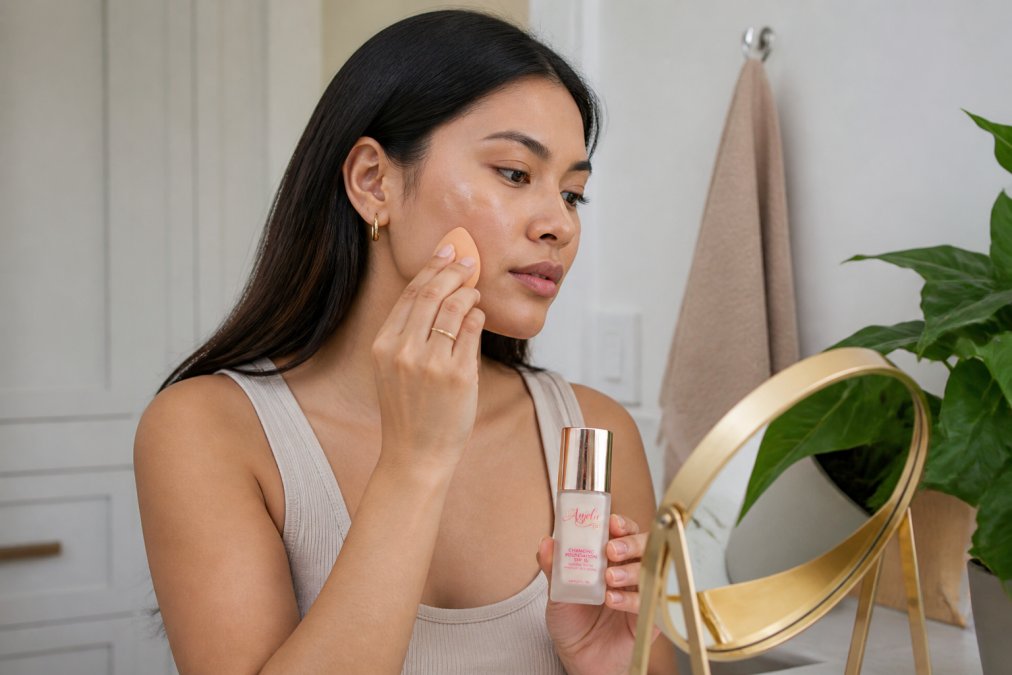
The core benefit of skincare grade actives in makeup is efficiency: you're getting both skin health and coverage in a single product. According to the Cosmetics Active Ingredients Market Size report, the global cosmetic active ingredients market was estimated at USD 4.5 billion in 2025 and is expected to grow to USD 8.7 billion by 2035, at a CAGR of 7.2%, reflecting genuine consumer demand.
Hybrid makeup delivers measurable skin improvements over time. Consistent hydration from niacinamide means less flaking and a smoother base. Peptides support skin firmness. Antioxidants protect against environmental damage. Compounded over weeks, your skin looks healthier, not just covered.
Best Active Ingredients for Sensitive Skin
Niacinamide is the safest bet for sensitive skin. It's calming, non-irritating, and reduces inflammation while strengthening the skin barrier. Drive Research's Skincare Statistics and Trends found that 69% of women indicated that ingredients in skincare products are important, yet only 21% were fully aware of what they're using.
Hyaluronic acid is another excellent choice. It draws water into the skin, providing hydration without irritation. Topical hyaluronic acid can increase skin hydration and elasticity in two to eight weeks.
Avoid or approach cautiously: retinoids, alpha hydroxy acids (AHAs), beta hydroxy acids (BHAs), and vitamin C in sensitive skin formulations, as these can trigger irritation in makeup where you can't easily rinse them off.
Patch testing is non-negotiable. Apply a small amount to your inner arm or behind your ear and wait 24-48 hours. If you see redness, itching, or swelling, it's not the product for you.
How to Layer Skincare and Makeup Effectively
Layering skincare and hybrid makeup is a technique that affects whether your actives actually work.
Start with a clean, dry face. Excess water dilutes your actives and prevents proper absorption. Apply your lightest, most water-based products first: essences, toners, serums. Wait 30-60 seconds between layers so each product can absorb.
Next, apply your moisturizer to create a hydrated base. Then apply your hybrid makeup. If you're using Anjelic Beauty's AuraAlign™ Foundation with niacinamide and SPF 15, you're adding another layer of skin benefits. Allow each layer to set before applying the next, usually 30-60 seconds per layer.
Don't layer multiple actives of the same type. If your serum contains vitamin C, don't follow with makeup that also contains vitamin C. Instead, layer complementary actives: vitamin C serum + niacinamide makeup, or peptide serum + hyaluronic acid makeup. Apply actives in order of molecular weight: lightest first, heaviest last.
Formulation Stability and Concentration Efficacy in Makeup
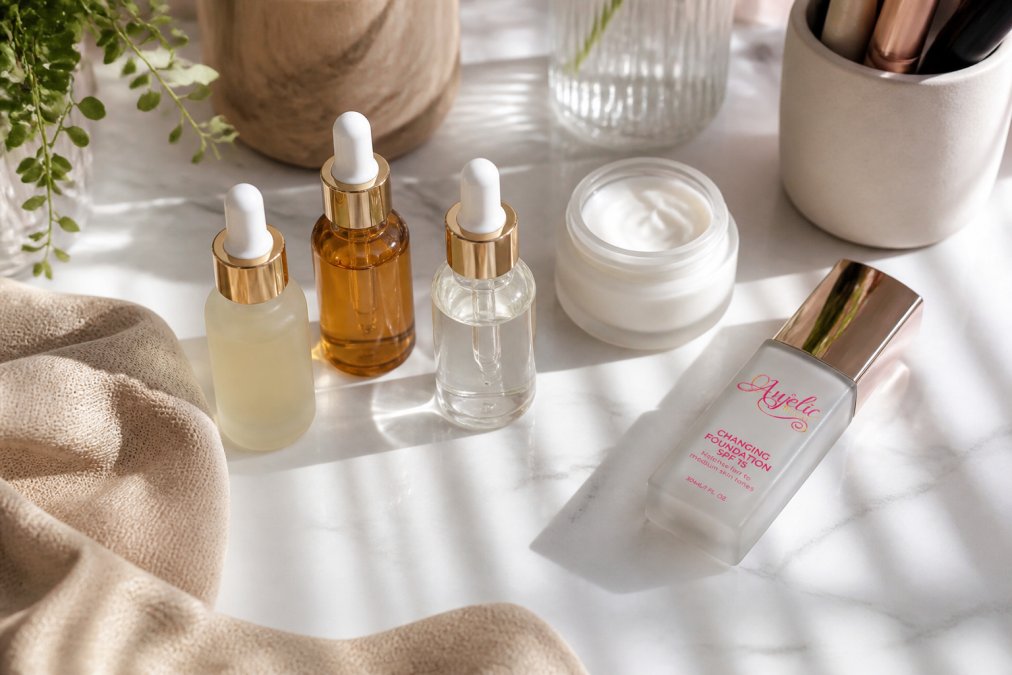
An active ingredient on the label doesn't guarantee that active ingredient is still active when you apply it. Actives degrade under heat, light, and certain pH conditions. Vitamin C oxidizes. Peptides break down. Retinoids become unstable. Advanced stabilization technology, encapsulation, liposomes, and chelating agents are essential to maintain efficacy.
Concentration is equally critical. The FDA doesn't regulate cosmetic actives the way it regulates drugs, so brands can include tiny amounts of an active and still list it on the label. Effective niacinamide concentrations in skincare typically range from 4-5%. In makeup, you won't hit that threshold, but you should see it in the first 10 ingredients, signaling meaningful concentration.
The best way to assess efficacy is through third-party clinical testing. Anjelic Beauty uses our proprietary Smart Glam System™ to blend skincare-grade actives with vegan pigments while maintaining stability and efficacy throughout the product's shelf life.
Medical Grade vs. Cosmetic Grade: What the Difference Means
The term "medical grade" is marketing language. The FDA doesn't officially recognize "medical grade" cosmetics. What the beauty industry calls "medical grade" is typically a cosmetic formulated with higher concentrations of actives, tested more rigorously, and sold through dermatologists or professional channels.
"Cosmetic grade" actives comply with FDA cosmetic regulations. They're safe and legal, but subject to a lower regulatory bar than drugs. For hybrid makeup, focus on the specific actives and their concentrations rather than the "grade" distinction. A cosmetic-grade foundation with 5% niacinamide is more effective than a "medical-grade" product with 0.5% niacinamide.
Regulatory Standards and Safety of Cosmetic Actives
Cosmetic actives in the United States are regulated by the FDA under the Federal Food, Drug, and Cosmetic Act. Cosmetics don't require pre-market approval, but they must be safe and properly labeled. The FDA maintains a list of approved cosmetic colorants and regulates certain active ingredients like sunscreen actives.
Safety concerns center on dermal absorption, concentration toxicity, and allergenic potential. Niacinamide, hyaluronic acid, and peptides are considered safe across standard concentrations. Retinoids and vitamin C require more caution, especially for sensitive skin.
Your best protection is choosing brands that test their products for safety and efficacy, disclose ingredient concentrations, and are transparent about limitations. Anjelic Beauty's commitment to vegan, cruelty-free formulations with skincare-grade actives is backed by rigorous testing across 40+ skin tones and types.
The evolution toward skincare grade actives in makeup reflects a fundamental shift in how women think about beauty. You're no longer choosing between skin health and coverage. Hybrid makeup, formulated thoughtfully with stable, effective actives at meaningful concentrations, lets you do both. The key is understanding what's actually in the product, how it works, and whether the brand has invested in the formulation science to back up the claims.
=== FAQ ANSWERS (audit these too, same rules) ===
[1] Q: What skin care ingredients are considered actives? A: Active ingredients are compounds that produce a measurable change in skin. Common examples include niacinamide, hyaluronic acid, peptides, retinoids, vitamin C, and alpha hydroxy acids. These ingredients have clinical efficacy data supporting their benefits for hydration, collagen production, brightening, or exfoliation. Unlike inactive ingredients that serve structural purposes, actives target specific skin concerns and require adequate concentration levels to deliver results.
[2] Q: Can makeup with active ingredients replace my daily serum? A: Skincare-infused makeup can provide added hydration, sun protection, or antioxidant support throughout the day, but it typically cannot replace a dedicated skincare routine. The concentration of active ingredients in makeup is usually lower than in serums, and absorption is limited by the product's primary function as color cosmetics. Dr. Amy Spizuoco, a board-certified dermatologist, notes that while these products offer benefits, they work best as a complement to layered skincare rather than a substitute.
[3] Q: How do skincare-grade actives in makeup benefit sensitive skin? A: Skincare-grade actives formulated for sensitive skin focus on barrier support and calming ingredients. Niacinamide strengthens the skin barrier and reduces redness, while ceramides restore moisture without irritation. Hyaluronic acid provides hydration without triggering sensitivity. The key is choosing non-comedogenic formulations and avoiding common irritants like essential oils or high concentrations of chemical exfoliants. Always patch test new products, especially those containing multiple actives.
[4] Q: What should I look for on a label to verify skincare-grade quality? A: Check the ingredient list for active ingredients listed near the top, which indicates higher concentration. Look for specific percentages if disclosed, dermatologist recommendations, and third-party testing claims. Reputable brands provide clinical efficacy data or study citations. Avoid vague marketing terms like 'infused with' without concentration details. Certifications for vegan, cruelty-free, or non-comedogenic status add credibility. Anjelic Beauty's AuraAlign Liquid Changing Foundation, for example, clearly lists its active ingredients and SPF protection level.
Frequently Asked Questions
Q: What skin care ingredients are considered actives?
A: Active ingredients are compounds that produce a measurable change in skin. Common examples include niacinamide, hyaluronic acid, peptides, retinoids, vitamin C, and alpha hydroxy acids. These ingredients have clinical efficacy data supporting their benefits for hydration, collagen production, brightening, or exfoliation. Unlike inactive ingredients that serve structural purposes, actives target specific skin concerns and require adequate concentration levels to deliver results.
Q: Can makeup with active ingredients replace my daily serum?
A: Skincare-infused makeup can provide added hydration, sun protection, or antioxidant support throughout the day, but it typically cannot replace a dedicated skincare routine. The concentration of active ingredients in makeup is usually lower than in serums, and absorption is limited by the product's primary function as color cosmetics. Dr. Amy Spizuoco, a board-certified dermatologist, notes that while these products offer benefits, they work best as a complement to layered skincare rather than a substitute.
Q: How do skincare-grade actives in makeup benefit sensitive skin?
A: Skincare-grade actives formulated for sensitive skin focus on barrier support and calming ingredients. Niacinamide strengthens the skin barrier and reduces redness, while ceramides restore moisture without irritation. Hyaluronic acid provides hydration without triggering sensitivity. The key is choosing non-comedogenic formulations and avoiding common irritants like essential oils or high concentrations of chemical exfoliants. Always patch test new products, especially those containing multiple actives.
Q: What should I look for on a label to verify skincare-grade quality?
A: Check the ingredient list for active ingredients listed near the top, which indicates higher concentration. Look for specific percentages if disclosed, dermatologist recommendations, and third-party testing claims. Reputable brands provide clinical efficacy data or study citations. Avoid vague marketing terms like 'infused with' without concentration details. Certifications for vegan, cruelty-free, or non-comedogenic status add credibility. Anjelic Beauty's AuraAlign Liquid Changing Foundation, for example, clearly lists its active ingredients and SPF protection level.
This article was written using GrandRanker