Free shipping on all orders

Table of Contents
- What Is Foundation Oxidation and Why Does Foundation Turn Orange
- The Role of Skin pH and Sebum in Color Change
- Step 1: Prepare Your Skin with the Right Skincare Routine
- Step 2: Does Primer Stop Oxidation and How to Use It
- Step 3: Apply Foundation in Thin Layers and Set Properly
- How to Test Foundation for Oxidation Before You Buy
- Choose a Non-Oxidizing Foundation Formula
- Conclusion
Last Updated: August 26, 2026
What Is Foundation Oxidation and Why Does Foundation Turn Orange
Foundation oxidation refers to the chemical reaction that occurs when a foundation comes into contact with air and the natural oils on your skin, causing the foundation to change color. Oftentimes the foundation becomes darker or takes on an orange hue, which can sometimes make it look unnatural or mismatched with your skin tone. This is one of the most frustrating challenges in makeup application, and understanding what causes it is the first step toward preventing it.
The reason foundation oxidizes isn't always what you'd think. According to research on foundation discoloration across shade diversity, the darkening that happens within 1 to 3 hours after application is related in part to the loss of volatile ingredients and to the way pigment particles are surface-treated. Your foundation isn't necessarily "oxidizing" in the strict chemical sense, it's reacting. The interaction between your skin's chemistry, the oils on your face, and the formula itself creates visible color shifts that can turn a perfect match into something unrecognizable by midday.
What makes this particularly frustrating is that the problem compounds throughout the day. Foundation can shift color multiple times, getting progressively darker or more orange as your skin produces more oil and the formula continues to break down. At Anjelic Beauty, we've engineered our formulas with stabilizers and pigment treatments specifically designed to minimize this reaction. Our Smart Glam System™ uses True Tone Technology to ensure color stays consistent from application through wear, addressing the root cause rather than just masking the symptom.
The good news: this isn't inevitable. With the right preparation, the right primer, and the right formula, you can stop foundation from oxidizing entirely. The strategies below have been tested across diverse skin tones and skin types to deliver consistent, color-true wear.
The Role of Skin pH and Sebum in Color Change
Your skin's pH level and sebum production are the two primary drivers of foundation oxidation. When your skin is more acidic or produces excess oil, your foundation is far more likely to shift color. This isn't a flaw in the foundation, it's chemistry.
Sebum is your skin's natural protective oil, made up of fatty acids and squalene. When sebum mixes with your foundation, it breaks down the formula's stability and changes how light interacts with the pigment particles. A separate 2024 study on sebum and liquid foundation suggests that higher amounts of sebum can intensify darkening in some formulas (peer-reviewed research). If you have oily or combination skin, this is your primary challenge. The more oil your skin produces, the faster your foundation will shift.
Your skin's pH also matters tremendously. Skin pH typically ranges from 4.5 to 5.5 (acidic), and this acidity can accelerate the breakdown of certain foundation formulas. Foundations formulated without adequate buffering agents are especially vulnerable. When your skin is more acidic than the foundation expects, the pigment particles destabilize faster, leading to visible color changes.
Here's where most guides miss the mark: they treat this as a skin problem rather than a formula-compatibility problem. Your oily skin isn't the enemy. The wrong foundation for your skin type is. Foundations with antioxidants, silicone-based stabilizers, and film formers are engineered to resist these chemical reactions. According to modern formulation standards for foundation stability, contemporary formulas use stabilizers like silicones, film formers, ester blends, and antioxidants to keep foundation color-true.
Step 1: Prepare Your Skin with the Right Skincare Routine
Your skincare routine is the foundation (literally) for preventing oxidation. If your skin is dehydrated, inflamed, or has an imbalanced pH, your foundation will oxidize faster. The goal is to create a smooth, balanced base that your foundation can adhere to without reacting.
Start with a gentle cleanser that removes oil and impurities without stripping your skin. Use lukewarm water, not hot, heat opens your pores and increases sebum production. Pat your skin dry gently; don't rub. Rubbing irritates the skin and can trigger excess oil production as a protective response.
Next, apply a lightweight moisturizer. This is crucial and often skipped by people with oily skin who fear moisturizer will make them oilier. The opposite is true: dehydrated skin overcompensates by producing more sebum. A hydrating moisturizer signals to your skin that it has enough moisture, reducing excess oil production. Choose a water-based or gel moisturizer rather than an oil-based one. Allow the moisturizer to fully absorb before moving to the next step, at least 2-3 minutes.
If your skin is particularly oily or prone to oxidation, consider using a pH-balancing toner after cleansing and before moisturizing. This helps normalize your skin's pH, making it less reactive to foundation. A balanced pH means your foundation is less likely to break down.
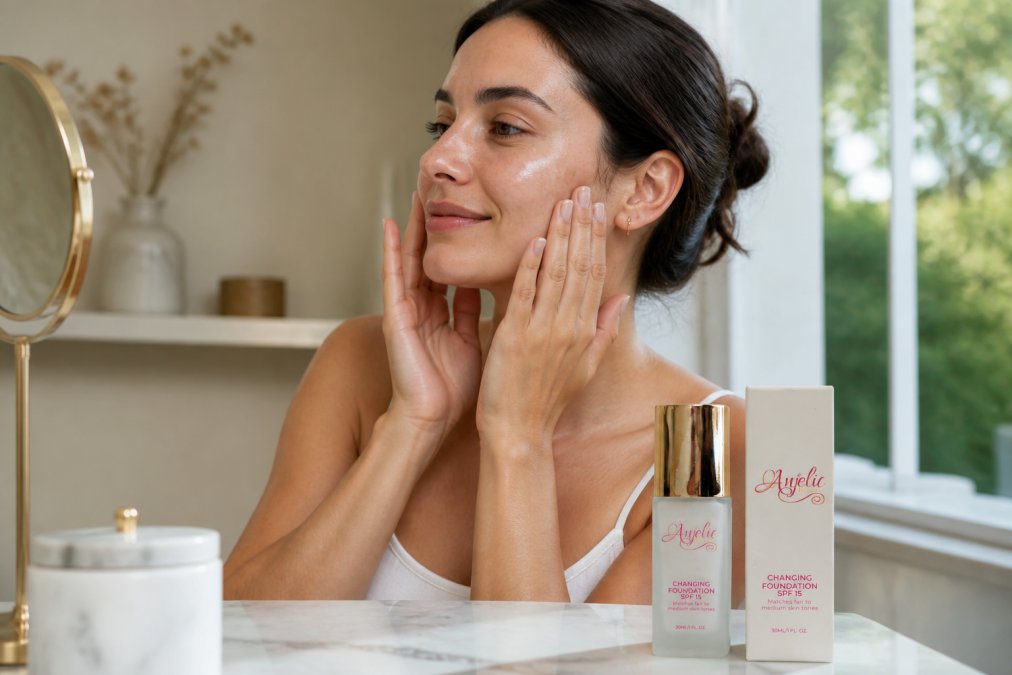
The entire prep routine should take about 5-10 minutes. Don't rush this step. Proper skin preparation is the single most effective way to prevent oxidation, and it costs nothing beyond your existing skincare products.
Step 2: Does Primer Stop Oxidation and How to Use It
Yes, primer absolutely stops oxidation, but only if you use the right type for your skin. A primer creates a barrier between your skin and foundation, preventing oils from mixing with the formula and causing color shifts. Think of it as a protective layer that keeps your foundation stable throughout the day.
The best primers for preventing oxidation are silicone-based, oil-free, or mattifying formulas. Silicone-based primers create a smooth, non-porous surface that foundation can't sink into. Oil-free primers prevent sebum from reaching the foundation. Mattifying primers actively absorb excess oil before it can cause problems. Each approach works differently, but all three effectively reduce the foundation-to-skin contact that triggers oxidation.
Apply primer in a thin, even layer across your entire face, focusing on areas where you produce the most oil: the T-zone, cheekbones, and chin. Use a damp beauty sponge or your fingertips to blend the primer until it feels almost invisible. If you can see streaks or heavy coverage, you've applied too much. A thin layer is more effective than a thick one because it allows your foundation to adhere properly without creating a barrier so thick that foundation slides off.
Allow the primer to set for 1-2 minutes before applying foundation. This gives the silicones or mattifying agents time to create a stable base. Rushing this step reduces the primer's effectiveness.
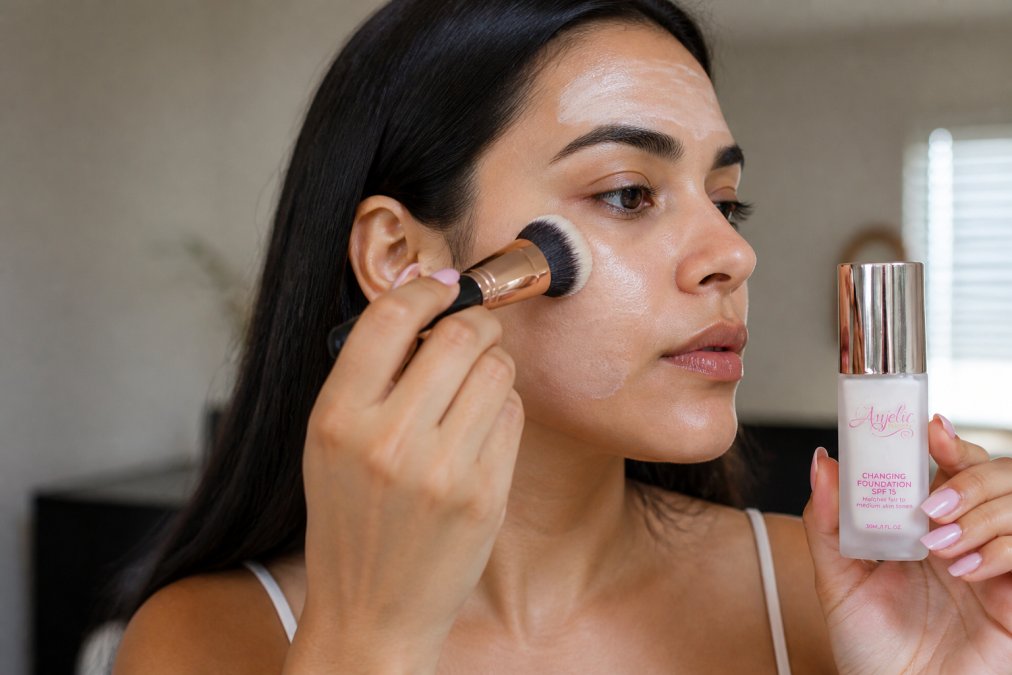
Step 3: Apply Foundation in Thin Layers and Set Properly
This is where most people go wrong. They apply foundation in one thick layer, hoping to achieve full coverage immediately. Thick layers oxidize faster because more product is in contact with your skin and exposed to air.
Instead, apply foundation in thin layers and build coverage where needed. Start with a small amount, about a pea-sized drop for your entire face. Use a damp beauty sponge, brush, or your fingertips to blend the foundation evenly. The sponge should be damp (not wet) because moisture helps the foundation blend smoothly and adhere better to primer.
After the first thin layer, assess your coverage. Most areas of your face need only one layer. Apply a second thin layer only to areas with visible blemishes, dark circles, or uneven tone. This selective approach keeps the overall product load light, reducing oxidation risk.
Once your foundation is applied and blended, set it immediately with a translucent powder. This step is non-negotiable for preventing oxidation. The powder locks the foundation in place and creates a barrier that prevents excess oil from reaching the formula throughout the day. Use a fluffy powder brush and apply the powder in light, circular motions. Focus on the T-zone, under the eyes, and any areas prone to oiliness.
For extra protection, use a setting spray after the powder. Setting spray creates an additional seal that keeps foundation color-true for hours. According to industry guidance on foundation stability, setting spray and powder techniques are among the most effective ways to extend wear time and prevent oxidation.
Allow everything to set for 1-2 minutes before touching your face or applying other products. This gives the powder and spray time to fully dry and create a stable base.
How to Test Foundation for Oxidation Before You Buy
Before committing to a full bottle, test your foundation match in natural light and observe how it performs on your skin throughout the day. This is especially important if you have deeper or complex skin undertones, where oxidation can be more visible and harder to match.
Request a sample from the brand or purchase a mini size. Apply the sample to your jawline and cheek in natural daylight, not in-store lighting, which is often artificially warm and can hide oxidation. Take a photo in natural light to document the initial match.
Wear the sample for at least 4-6 hours, ideally during a normal day when your skin will produce its typical amount of oil. Check the color every 1-2 hours. Does it stay consistent, or does it shift darker or more orange? Does it fade, or does it maintain coverage?
Pay special attention to how the foundation interacts with your skin's natural oils. If you have oily skin, the foundation will encounter more sebum faster. If the sample oxidizes significantly within the first 2-3 hours, it's not the right formula for you, regardless of how perfect the initial match is.
Test the foundation with your actual primer and skincare routine. A foundation that oxidizes when worn alone might stay color-true when applied over the right primer. This is why testing with your full routine is essential.
Choose a Non-Oxidizing Foundation Formula
The formula you choose matters more than anything else. Some foundations are engineered to resist oxidation; others are inherently prone to it. Look for foundations that explicitly state they're designed to be non-oxidizing or long-wear.
Foundations with antioxidants are formulated to resist the chemical reactions that cause color shift. These formulas contain ingredients that stabilize pigment particles and prevent them from darkening or shifting hue. Oil-free foundations are inherently less prone to oxidation because they don't contain ingredients that can react with your skin's sebum. Water-based foundations are also a good choice for oily skin types. Long-wear formulas are engineered with stabilizers and film formers that keep the foundation locked in place, preventing the movement and breakdown that causes color shift.
At Anjelic Beauty, we've formulated our AuraAlign™ Liquid Changing Foundation with our proprietary Smart Glam System™ to prevent oxidation entirely. Our True Tone Technology ensures the foundation stays color-true from application through wear, regardless of skin type or oil production. The formula includes stabilizers and antioxidants that work with your skin chemistry rather than against it. With 40+ shades engineered to match diverse undertones, you'll find a match that stays true all day.

When evaluating foundations, ask yourself: Does this brand explicitly address oxidation in their formula? Do they mention stabilizers, antioxidants, or long-wear technology? If the answer is no, the foundation likely isn't optimized for preventing color shift.
Preventing foundation from oxidizing comes down to three things: preparing your skin properly, creating a barrier with primer, and choosing a formula engineered to stay color-true. When you combine these strategies, oxidation becomes a non-issue rather than a daily frustration.
The challenge most people face isn't that oxidation is inevitable, it's that they've been using formulas and routines that make it likely. Once you shift to a proper prep routine, the right primer, and a non-oxidizing formula, you'll notice the difference immediately. Your foundation will stay consistent from morning through evening, and you'll finally have the long-lasting, color-true finish you've been looking for.
Anjelic Beauty's AuraAlign™ Liquid Changing Foundation, available at https://shopanjelic.com/products/anjelic-beauty-liquid-changing-foundation for $40, is specifically designed to prevent oxidation across all skin tones and types. With our True Tone Technology and stabilizer-rich formula, your foundation will maintain its perfect match all day. Get yours now and experience the confidence of a foundation that stays true.
Frequently Asked Questions
Q: Why does my foundation turn orange or darker throughout the day?
A: Foundation oxidation occurs when your foundation interacts with skin oils (sebum), air, and your skin's natural pH balance. The pigments in your foundation can shift color within 1 to 3 hours after application, often turning darker or more orange. This happens because your skin produces oils that mix with the foundation formula, altering how light reflects off the pigment particles. Additionally, factors like loss of volatile ingredients in the formula and the way pigment particles are treated can intensify the color change, especially on oily or combination skin.
Q: Does primer actually stop foundation from oxidizing?
A: Yes, primer creates a barrier between your skin and foundation, which helps prevent oils from mixing with the formula and causing oxidation. Silicone-based, oil-free, and mattifying primers are especially effective for oily or combination skin types. The primer absorbs excess sebum and creates a smooth, stable base that keeps your foundation color-true longer. For best results, apply primer to your entire face or focus on areas prone to oiliness, then allow it to set fully before applying foundation.
Q: How can I test if a foundation will oxidize on my skin before buying?
A: Request a sample or swatch from the brand and apply it to a small area of your face, ideally on your jawline or cheek where you'll wear the full foundation. Wear it for 2-3 hours and observe if the color shifts, darkens, or turns orange. If possible, test the foundation on different areas of your face to see how it reacts to varying sebum levels. Also check the ingredient list for antioxidants and stabilizers like silicones and film formers, which indicate a formula designed to resist oxidation. Brands that offer shade matching across diverse undertones, like Anjelic Beauty's 40+ shades, typically invest in formulas engineered to prevent color drift.
Q: What foundation ingredients prevent oxidation?
A: Look for foundations containing antioxidants, silicones, film formers, and ester blends, which stabilize the formula and prevent color shift. Oil-free and long-wear foundations are formulated specifically to resist interaction with skin oils. Brands using proprietary technology, such as Anjelic Beauty's Smart Glam System™ with True Tone Technology, engineer their pigments to stay color-true throughout the day without shifting or oxidizing.
This article was written using GrandRanker